Campaign Systems.
Connect every asset around a single idea.
When a launch, website, and social presence tell different stories, the brand is harder to recognize. A shared creative direction connects the work around what matters to the audience.
A Campaign Your Audience Can Recognize
Flagship Widescreen Master
When every ad, landing page, and social post tells a different story, the audience has to piece the brand together. A Campaign System starts with the idea the work should communicate and the questions each encounter needs to answer.
Platform-Native Vertical Video
Planning begins with the audience, the campaign objective, and the work already in place. That understanding guides the visual direction and the role of each part of the campaign. If your team has an approved concept, the production builds on it.
High-Yield Distribution
A product introduction may need appeal, a demonstration may need clarity, and a customer story may need evidence. The pieces share a creative direction while doing different jobs for the audience.
A recognizable idea across the campaign
Different encounters that answer different audience needs
Creative direction connected to the existing brand and work
Core Capabilities
Campaign Direction
Understand the campaign objective and find the idea that connects the work.
Audience Questions
Identify what each encounter needs to explain, demonstrate, or make appealing.
Connected Production
Plan the imagery around the creative direction and the places people will encounter it.
Creative Continuity
Keep the treatment recognizable as the work moves through editing and finishing.
PROOF OF CONCEPT
Selected Work & Visual Proof
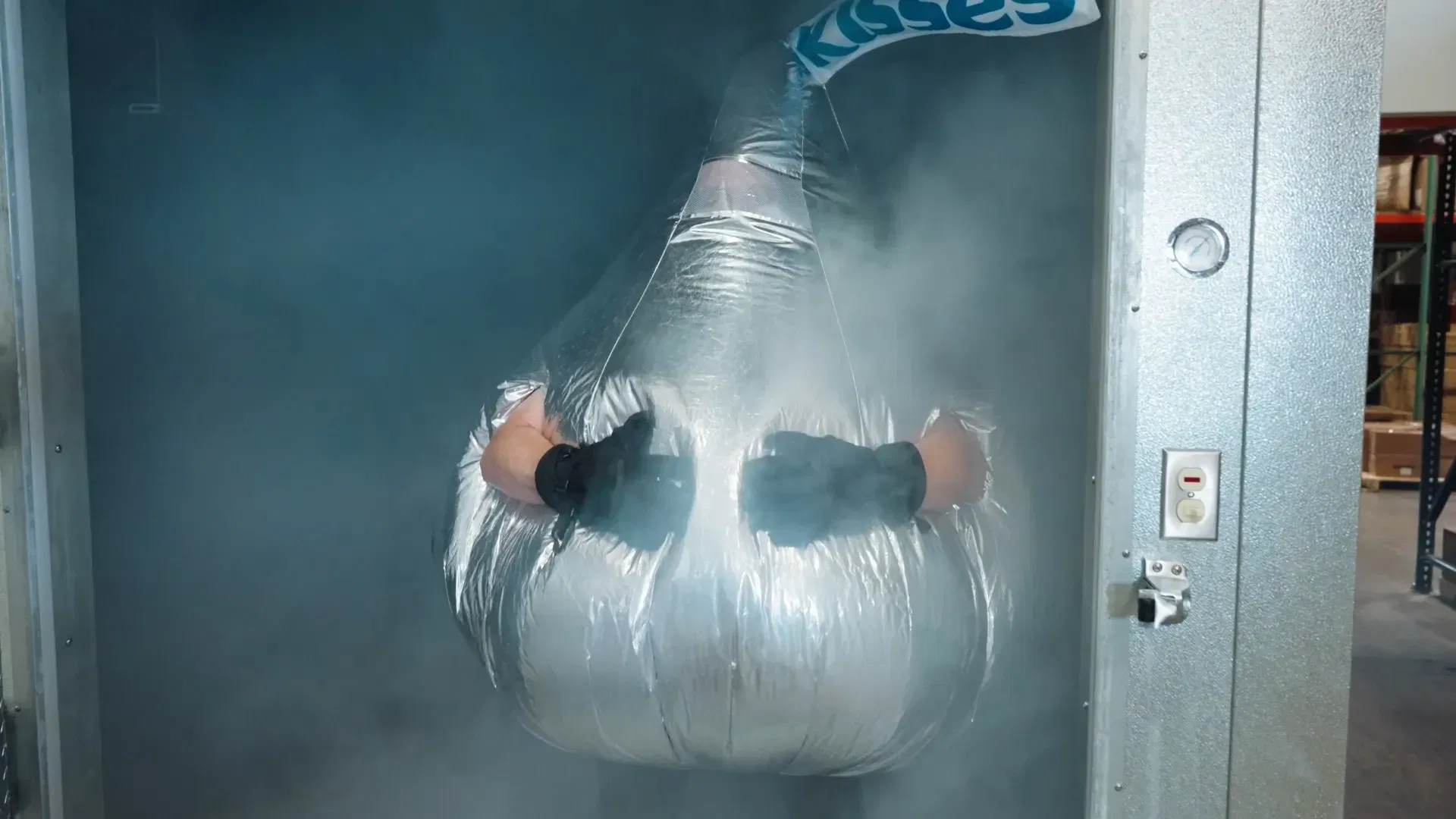
Chocolate Icing
B2B Impact
"Implemented clear, visual training steps that reduced onboarding errors by 40%."
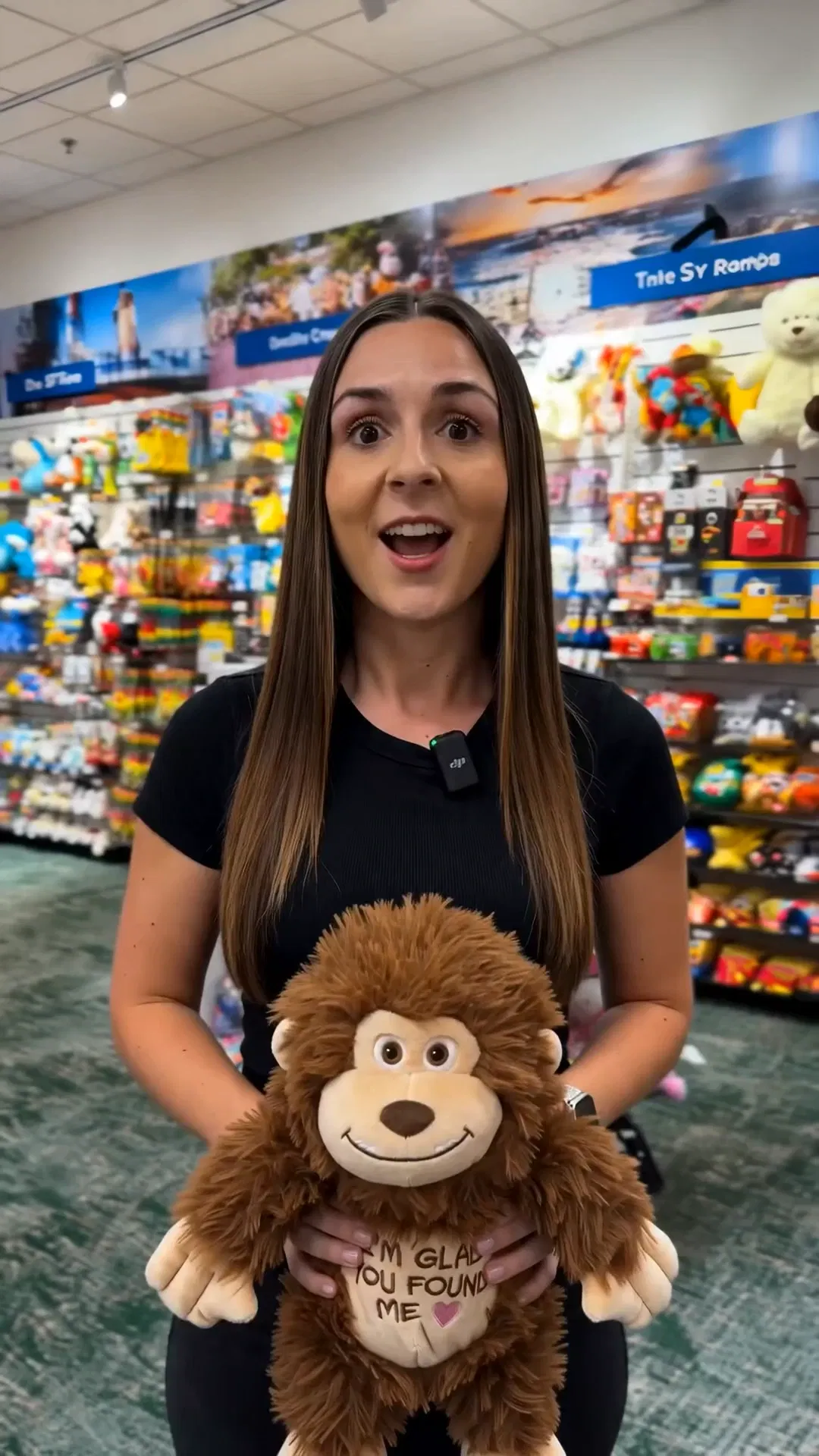
Big Foot Plush
B2B Impact
"Blended product action with agile social pacing to drive consumer engagement across paid vertical feeds."
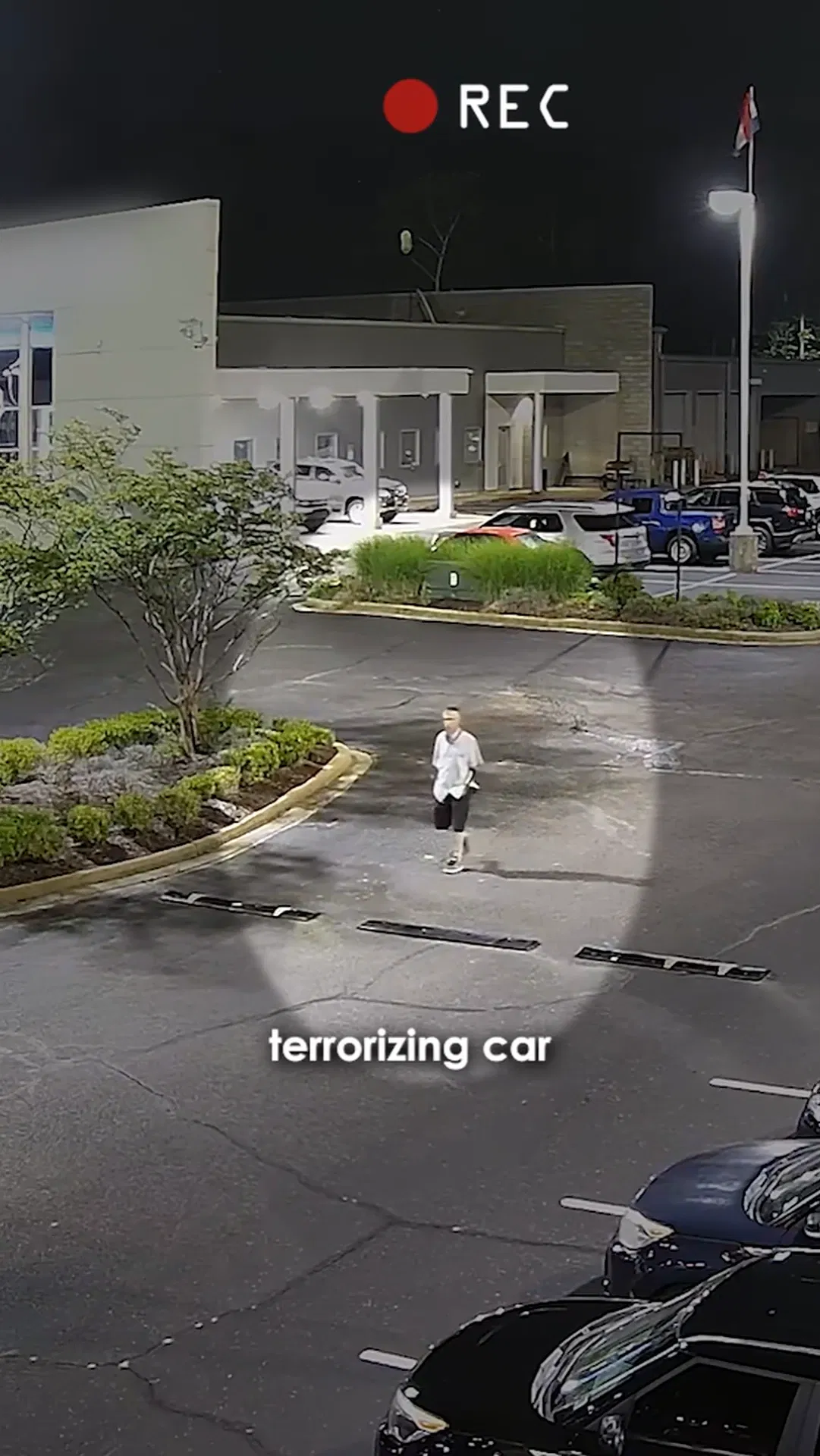
Friday Fails
B2B Impact
"Detailed guide format used to streamline product set-up and minimize support ticket volume."
From Concept to Content Library
Understand
DiscoveryLook at the campaign objective, audience questions, and existing brand work. Identify where the message feels disconnected or where the audience needs more context.
Connect
Creative DirectionFind the creative idea that can hold the campaign together. Give each encounter a purpose, from attracting attention to demonstrating an important detail.
Produce
Production & FinishingCreate and finish the work around that shared direction. Adapt the presentation to the channel while keeping the brand and central idea recognizable.
Investment
The starting point is the problem the work needs to solve. These ranges illustrate different kinds of engagement; the creative direction, production needs, and intended use shape the investment.
Launch Campaign
Introduce an offer with a clear creative idea and a connected presentation across the places customers first encounter it.
Best For
A product launch, rebrand, or refreshed presentation
Brand Campaign
Develop a campaign idea that can build familiarity, show product appeal, and answer buyer questions through related work.
Best For
A campaign with several audience needs or placements
Ongoing Creative Partnership
Keep the creative direction connected as the brand launches products, learns from its audience, and develops new work.
Best For
A team with an ongoing campaign or changing communication needs
Give Each Part of the Campaign a Job
A shared idea can support different encounters without making each piece repeat the same message.
| Consideration | Introduce an Offer | Build Familiarity | Answer Buyer Questions |
|---|---|---|---|
| The challenge | The audience is meeting the offer for the first time. | The brand feels different from one encounter to the next. | Interest is there, but important questions remain. |
| Creative focus | Make the product or experience relevant and worth noticing. | Carry a recognizable visual direction through the campaign. | Show the detail, demonstration, or customer experience the audience needs. |
| Start by asking | What should someone notice first? | What should people recognize when they see the brand again? | What is keeping the audience from taking the next step? |
Related Production Standards & Terminology
Key production concepts and director workflows foundational to campaign systems.
Deliverable Package Architecture
Structuring modular master cuts, social cutdowns, and multi-channel asset suites.
Multi-Aspect Ratio Delivery
Framing strategies for simultaneous 16:9 widescreen, 9:16 vertical, and 1:1 square deployment.
Color Grading & Look LUTs
DaVinci Resolve pipelines ensuring accurate corporate color spaces and cinematic contrast.
Closed Captions & Subtitles
Accurate text styling and timing optimization for silent-playback social feeds.
Loudness Normalization (LUFS)
Broadcast and web audio compliance preventing distorted or quiet playback.
Motion Graphics & Lower Thirds
On-screen titling and graphic accents reinforcing brand guidelines and hierarchy.
COMMON INQUIRIES
Questions & Answers
What makes a campaign feel connected?
A campaign needs a common creative idea. Visual direction, the subject, and the role of each piece are considered together so an introduction, a demonstration, and a customer story can feel like parts of the same brand.
How do Quarterly Creative Partnerships work?
An ongoing partnership keeps the creative direction connected as new products, questions, and campaign needs emerge. Each new project builds on the existing work and what your team learns about its audience.
How do you decide where the work belongs?
Start with where the audience encounters the brand and what they need in that setting. A website introduction, a social placement, and a sales conversation can need different presentations of the same idea.
Can internal training or executive communications be included?
Yes. Internal onboarding modules, executive updates, and technical walkthroughs can be captured within the same production footprint alongside customer-facing marketing assets.
Why choose a campaign system over hiring per-video?
Planning the work together gives it a common point of view. Each piece can answer a different audience need while the treatment and visual direction connect the campaign.
NEXT STEPS