Hybrid Production.
Make the Hard-to-Film Possible.
For ideas that are difficult to film or explain with existing imagery. Live action and generated imagery can show the product, experience, or visual world the audience needs to imagine.
Find the Right Way to Show It


Grounded in Product Reference
Some ideas are difficult to communicate with the imagery a brand already has. A product may not be built yet, a concept may need an imagined setting, or filmed material may need a visual extension. The creative problem comes first.
Generative Visual Development
The treatment starts with the audience's needs and the available references. Live action, motion graphics, generated imagery, or a combination can each play a part. The choice depends on what the audience needs to see and what the subject requires.
Commercial Clearance & Delivery
Reference frames give the team something concrete to react to before the idea moves further into production. The edit brings the chosen material into a coherent piece, with attention to the product details, motion, and visual continuity.
The production method follows the creative problem
References make an unfamiliar idea easier to discuss
A visual treatment connected to the subject and the brand
Core Capabilities
Understand the Visual Task
Identify what the audience needs to see and why existing imagery falls short.
Develop References
Use reference frames to make the direction concrete enough to discuss.
Choose the Method
Select live action, motion graphics, generated imagery, or a combination around the treatment.
Finish the Piece
Bring the material together through editing, compositing, color, and sound.
AI Speeds Up Production.
Faster production creates room to explore more ambitious visual ideas. Direction, shot selection, and finishing shape what reaches the audience.
Use the time saved to develop the idea, choose the right shots, and finish the work with the quality your audience expects.
Separate surveys; self-reported findings. AI video elements include captions and visual effects.
PROOF OF CONCEPT
Selected Work & Visual Proof
Introducing ari
B2B Impact
"Combined Remotion graphics with AI models to project the vision of an automated automotive future."

Mad Man
B2B Impact
"Applied generative AI workflows to deliver a lifestyle spot 50% faster than traditional production."
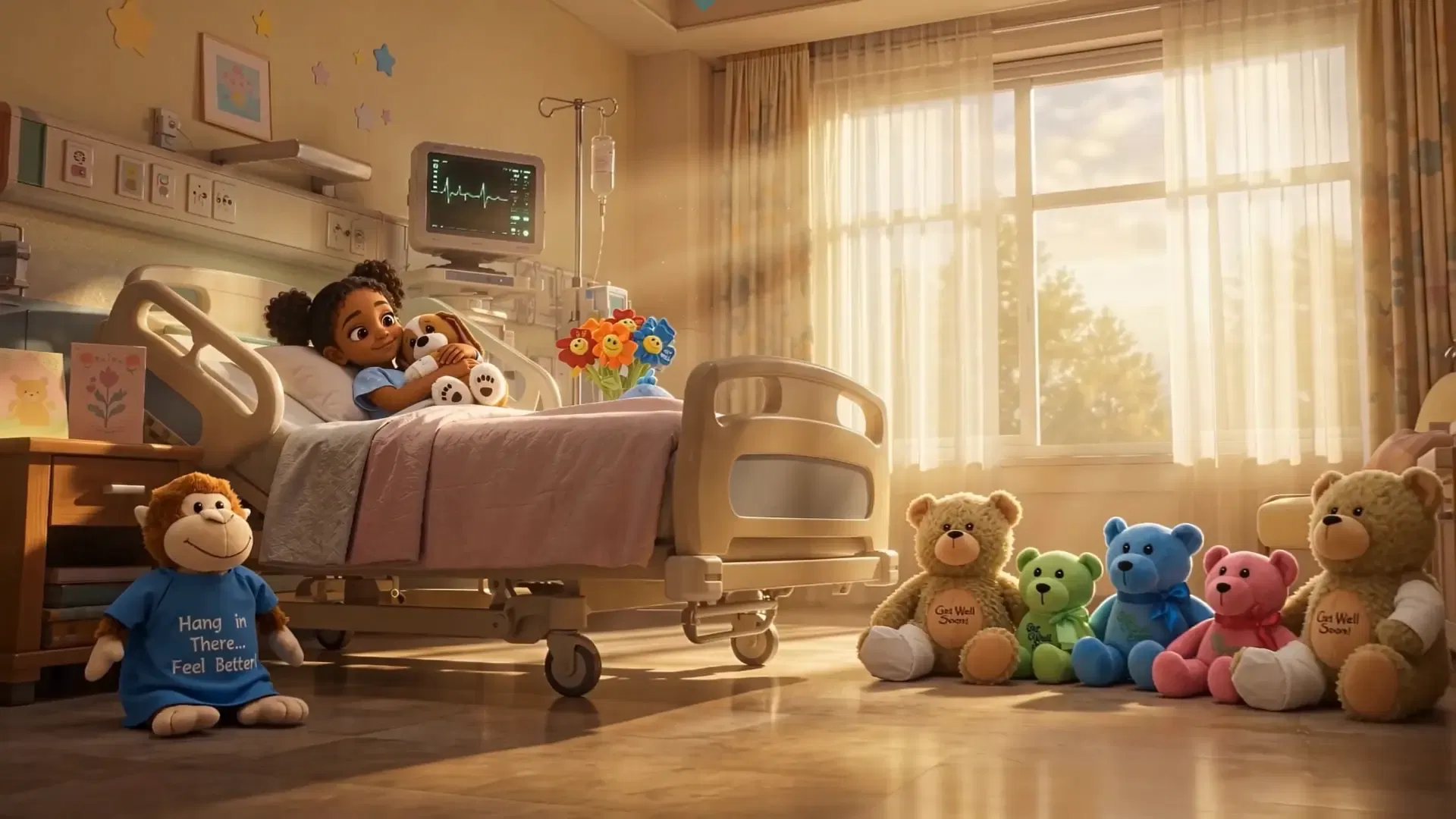
Operation Cheer Up
B2B Impact
"Drove major B2B client engagement, earning receptive feedback from enterprise targets including Children's Medical Center Dallas."
The AI Production Toolkit
AI Video Generation
Cinematic motion, character consistency, long-form clips
Hero sequences, social content
AI Image Generation
Photorealistic output, rapid visual iteration
Concept art, storyboards
Voice Synthesis
Custom voices, 70+ languages
VO, multilingual content
Motion Design
Programmatic animation, titles, lower thirds
Graphics, branding elements
Post-Production
Color grading, editing, transcription, final QA
Assembly, delivery
Investment
The starting point is the problem the work needs to solve. These ranges illustrate different kinds of engagement; the creative direction, production needs, and intended use shape the investment.
Concept Exploration
Make a visual idea concrete enough to discuss, develop, and evaluate before taking it into a larger campaign.
Best For
An unfamiliar idea or an early creative direction
Hybrid Commercial Spot
Show a product or experience through a treatment that combines filmed and generated material where each serves the idea.
Best For
A launch or commercial concept that needs several visual methods
Campaign Visual Direction
Develop a visual world that gives related campaign work a recognizable setting, atmosphere, and point of view.
Best For
A campaign built around an imagined world or distinctive treatment
Choose the Method Around the Idea
The visual task and the available references guide how the work gets made.
| Consideration | Show a Concept | Build a Visual World | Extend Live Action |
|---|---|---|---|
| The challenge | An idea needs to be seen before it exists in finished form. | The concept needs a setting that is difficult to capture physically. | The filmed material needs an additional visual layer. |
| Creative focus | Give the team a concrete reference for discussing the idea. | Choose an atmosphere and setting that serve the subject. | Make the filmed and created material feel connected. |
| Start by asking | What needs to be visible, and which details must remain accurate? | What does this world help the audience understand or feel? | What should the additional imagery contribute to the story? |
How It Works
Understand
DiscoveryIdentify what is difficult to show with the brand's existing imagery. Discuss what the audience needs to imagine and which product details the treatment must preserve.
Explore
Creative DirectionReference frames make the direction concrete, so your team can discuss the idea and agree on what matters before production. Select the mix of camera work, motion graphics, and generated imagery that serves the visual task.
Produce
Production & FinishingDevelop the chosen imagery and bring it into the edit. Review the subject details and visual continuity as filmed and created material come together.
Related Production Standards & Terminology
Key production concepts and director workflows foundational to hybrid production.
Generative AI Video Workflows
State-of-the-art diffusion models applied to commercial spec concepts and unbuilt environments.
Image-to-Video Synthesis
Animating high-resolution photography with controlled camera moves and physical consistency.
AI Voice Cloning Standards
Synthetic voice synthesis, inflection tuning, and legal governance in commercial spots.
Text-to-Video Generation
Prompt architecture for cinematic scene generation across diverse AI foundational models.
COMMON INQUIRIES
Questions & Answers
What is the hybrid production method?
Hybrid production uses live-action cinematography for human performance, physical products, and executive credibility, and generative visual tools for impossible environments, abstract data visualizations, and rapid concept extensions.
Will hybrid video look synthetic or uncanny?
Reference frames, lighting, compositing, and color finishing guide the intended look. Generative tools can introduce artifacts or inaccurate details, so the scope includes the review needed for the subject and use.
How is enterprise data and IP protected?
Before using client materials, the project scope identifies the tools, permitted inputs, applicable data terms, and intended usage. Confidential material requires an agreed handling approach. Licensing and generated outputs need review for the specific assignment.
How do agencies use concept pre-visualization?
Agencies use hybrid animatics to present dynamic, moving storyboard treatments to clients during competitive pitches, proving the visual concept before physical production begins.
Why choose hybrid production over traditional 3D animation?
Choose the method around the visual treatment, required accuracy, available references, and budget. Generated imagery can help explore a visual direction; detailed product behavior may call for live action or controlled 3D work.
NEXT STEPS